
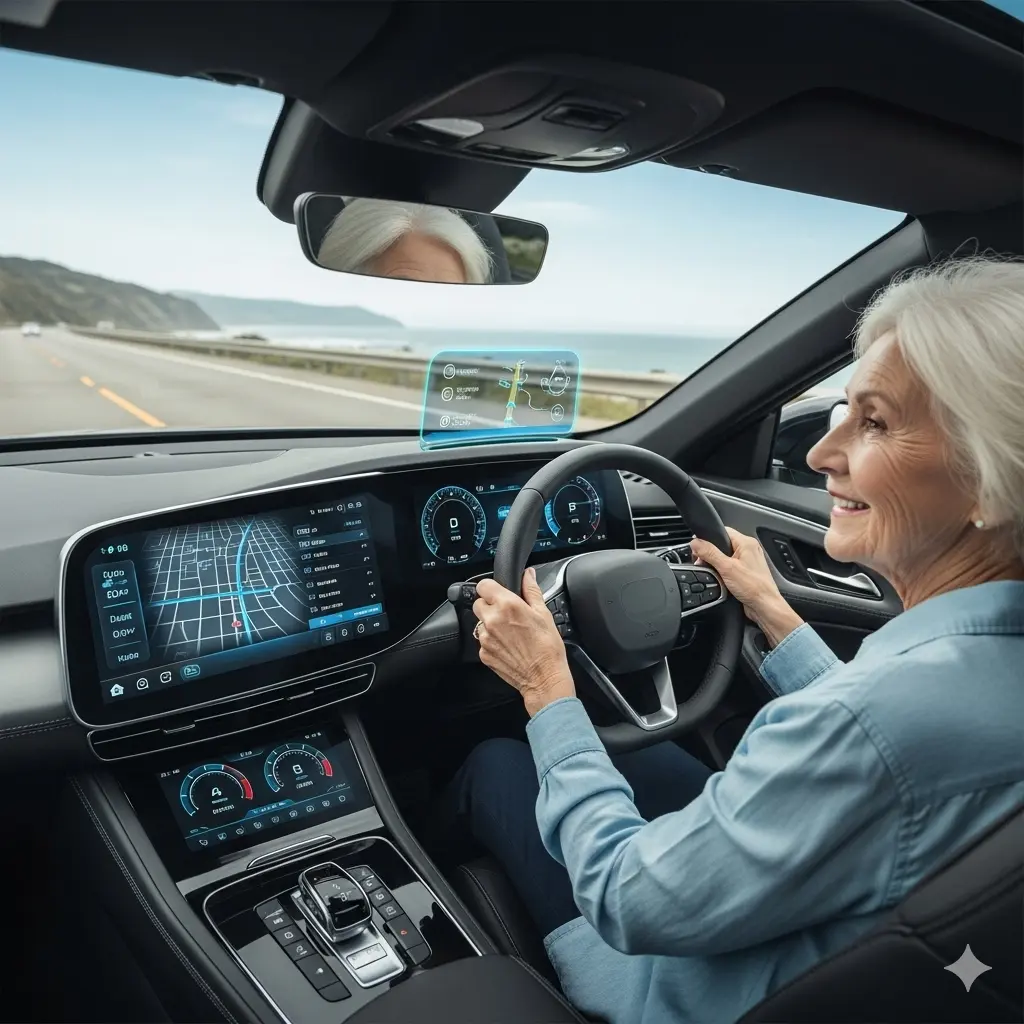
Independence is something everyone values, especially as they age. For many seniors, driving is more than just a way to get from one place to another—it’s a symbol of freedom, dignity, and self-reliance. Yet, natural changes that come with aging—like slower reflexes, vision challenges, or health conditions—can sometimes make driving more difficult. The good news is that today’s high-tech driving programs and innovations are bridging this gap.
Through adaptive technology, professional evaluations, and driver rehabilitation, seniors can maintain their independence while prioritizing driving safety. This guide takes a deep dive into the role of high-tech driving solutions, their benefits for older adults, and how programs like those at Driving To Independence in Tempe, AZ, are empowering seniors to stay safe and confident behind the wheel.
The Importance of Driving for Seniors
Driving offers seniors much more than convenience. It means being able to visit family, attend community events, or simply enjoy the freedom of choosing when and where to go. Unfortunately, driving also comes with risks that can increase with age:
- Slower reaction times can make it harder to respond to sudden traffic changes.
- Vision and hearing changes can affect awareness on the road.
- Chronic conditions like arthritis, stroke, or neurological disorders can interfere with safe vehicle operation.
- Medication side effects can impact alertness, balance, or judgment.
Without the right support, these factors can lead to reduced confidence and, in some cases, giving up driving altogether. That’s where high-tech driving programs come in—they help seniors adapt, overcome challenges, and remain safe drivers for longer.
What Are High-Tech Driving Programs?
High-tech driving programs combine technology, professional expertise, and individualized training to improve driving ability. These programs are designed to meet a driver’s unique needs, offering solutions that can compensate for physical, cognitive, or sensory limitations.
Some key elements include:
1. Adaptive Driving Equipment
- Hand controls for drivers with limited lower-body strength.
- Left-foot accelerators for those unable to use their right leg.
- Steering knobs or extensions for easier vehicle control.
- Pedal modifications that reduce strain for individuals with arthritis.
2. Driver Assistance Technology
- Lane departure warnings to alert drivers who are drifting.
- Blind spot detection to improve awareness.
- Adaptive cruise control to maintain safe following distances.
- Automatic emergency braking for enhanced safety.
3. Virtual Driving Simulations
- A safe environment to practice without real-world risks.
- Training tailored to conditions like nighttime driving or bad weather.
- A way to rebuild confidence after an illness, injury, or stroke.
4. Personalized Driver Rehabilitation
- Comprehensive evaluations of vision, reflexes, and cognition.
- Professional recommendations for the right equipment.
- Customized training sessions to master new tools and build confidence.
High-tech driving isn’t about replacing seniors’ abilities—it’s about supporting them so they can continue to drive safely and independently.
How High-Tech Driving Improves Safety and Independence
The combination of driver rehabilitation and advanced technology can make an enormous difference for older adults. Let’s look at the key benefits:
1. Enhanced Safety
Safety is always the top priority. With adaptive equipment and driver-assist technology, seniors can significantly reduce the risk of accidents. Systems that warn of hazards or help with braking provide an extra layer of protection.
2. Longer Independence
Driving means freedom. Seniors who participate in high-tech programs often continue driving years longer than they might otherwise. This independence helps reduce isolation, depression, and reliance on others.
3. Improved Confidence
Confidence behind the wheel is just as important as skill. With the right tools and training, seniors gain peace of mind knowing they can handle unexpected challenges safely.
4. Customized Solutions
No two drivers are the same. Driver rehabilitation specialists work closely with each individual to create personalized solutions that fit their unique strengths and needs.
The Role of Driver Rehabilitation Specialists
High-tech driving programs aren’t just about installing gadgets in cars. At the core of these programs are professionals who understand how aging and health conditions affect driving.
What Specialists Do:
- Evaluate physical, visual, and cognitive abilities.
- Recommend adaptive equipment that fits the driver’s specific needs.
- Provide in-car training for the safe and effective use of new technology.
- Support families in making informed decisions about driving safety.
At Driving To Independence, evaluations are conducted by trained specialists who have both medical and driving expertise. This dual knowledge ensures recommendations are safe, practical, and empowering for seniors.
Driving After Health Challenges: How High-Tech Programs Help
Many seniors face medical conditions that impact their ability to drive. High-tech driving programs and driver rehabilitation can provide solutions for:
- Stroke survivors needing new strategies or adaptive equipment.
- Individuals with arthritis who struggle with traditional pedals or steering.
- People with Parkinson’s disease who benefit from assistive controls.
- Seniors with vision or hearing changes who need extra safety technology.
By combining adaptive technology with professional support, seniors don’t have to give up driving after a health setback—they can learn new ways to remain independent.
The Connection Between Technology and Peace of Mind
Technology not only benefits seniors but also reassures families. Knowing that a loved one is using advanced safety features or working with a driver rehabilitation program provides peace of mind. Families can rest easier knowing their senior driver is supported by both expertise and technology.
The Future of High-Tech Driving for Seniors
The pace of innovation in the driving world is accelerating. From semi-autonomous features to cars designed with accessibility in mind, the future of high-tech driving is bright for seniors. Upcoming advances may include:
- Fully voice-controlled driving systems.
- Cars that adjust automatically to a driver’s physical limitations.
- Greater integration of artificial intelligence for real-time safety monitoring.
Seniors who start adapting now will be better prepared for these innovations in the years ahead.
Conclusion
High-tech driving programs represent the future of independence for seniors. With the right blend of adaptive equipment, safety technology, and driver rehabilitation, older adults can continue driving with confidence and security.
Whether it’s staying connected with loved ones, attending community events, or simply enjoying the freedom of the open road, independence is priceless—and technology is making it possible for seniors to hold onto that independence longer than ever before.
For those in Tempe, AZ, Driving To Independence is here to help seniors embrace high-tech driving and stay safe, confident, and independent on the road.