
Listen to this article now
TV shows from the 2000s framed driver’s licenses as a teenage rite of passage. Current teens grew up watching characters excited — practically ecstatic — about driving on The Suite Life of Zack & Cody, Liv and Maddie and Drake & Josh.
For these characters — and real-life teens — driving marked a big step toward independence.
These days, though, teens are delaying the milestone. Nationwide data from the Federal Highway Administration shows only 26% of 16-year-olds have a driver’s license, compared to 46% in the 1980s. In that same time, the percentage of licensed 18-year-olds dropped from 80% to 60%.
Driving anxiety is likely a major contributor to the delay in licensing. Members of Generation Z experience anxiety and depression at higher rates than previous generations, according to the American Psychological Association. That’s likely to affect their driving, too.
Luckily, there’s an antidote available for anxious drivers, said Benjamin Perea, owner of New Mexico Academy of Driving. “They won’t be nervous if they practice. … The students that are the most nervous are the students that never practice,” he said.
Some driver’s ed instructors have tailored their lessons to support teens who are nervous about driving. Jenny Nordine, owner of Driving to Independence driver training program in Albuquerque, described her company’s curriculum as “driver rehabilitation.”
“We complete comprehensive driving assessments and training when needed on a wide variety of individuals that are either nervous drivers [or] have had … an event take place where we have to make sure that they continue to be a safe driver,” she said. “We also train people to use adaptive equipment if they are not physically able to operate the vehicle in a typical manner.”
Nordine said her company sees many teens — including nervous teens — who wouldn’t be successful in a typical driving school.
The nerves make sense, she said: “As people mature, they understand the ramifications of being a good driver versus not a good driver. They have more life experience and have seen motor vehicle accidents on the road. … They feel more responsible and are concerned about their level of skill and the potential for being injured.”
Perea recommended new drivers start practicing — with a parent first, then a driving instructor — as soon as they get their permit.
“Those are the best drivers — those who have had several hours of practice with their parents, even short little trips like 10, 15 minutes. … That makes a huge difference,” said Perea, who is also my driving instructor.
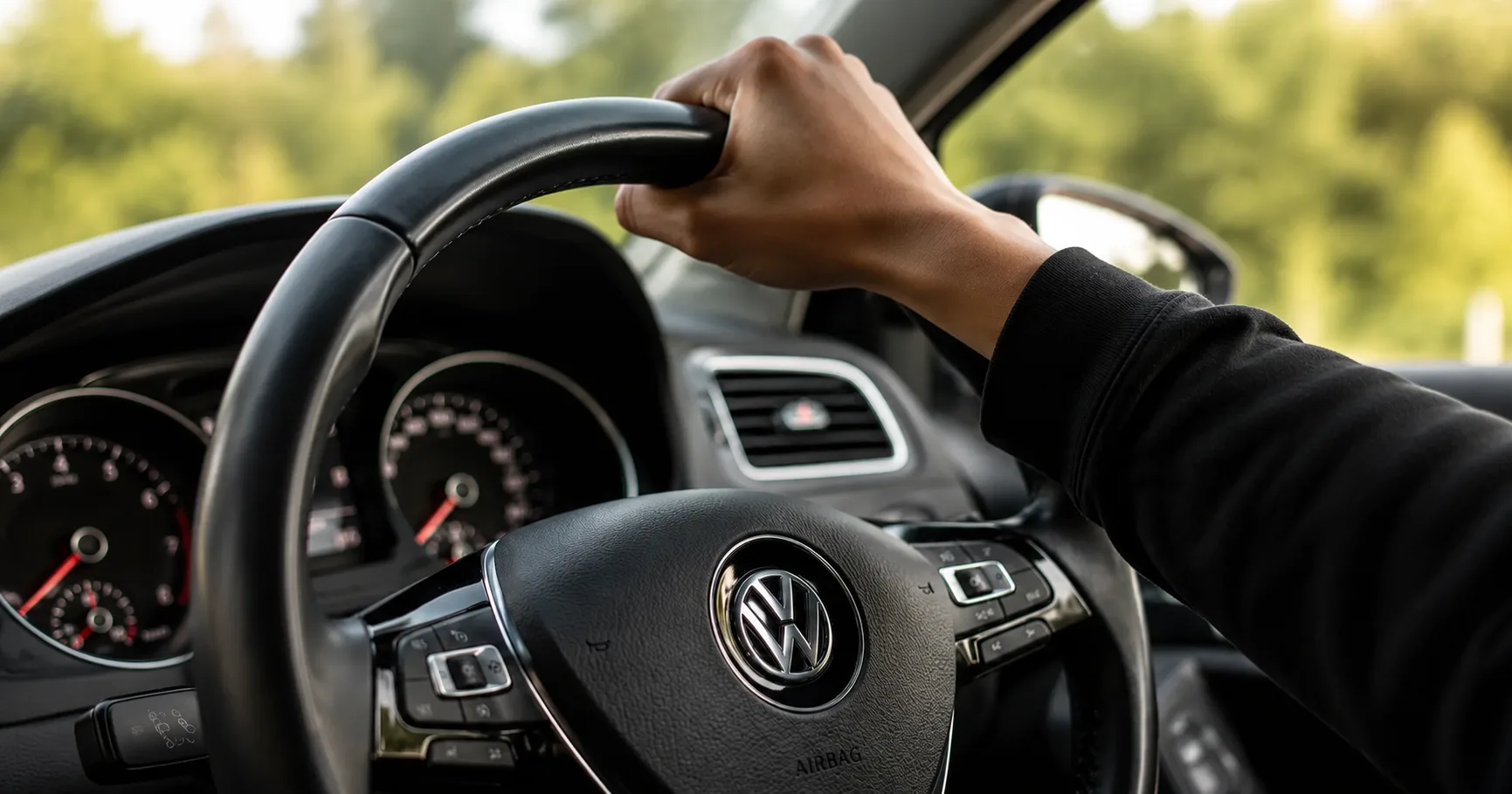
His advice is honest, and it works. I had driving anxiety, gripping the wheel to the point my knuckles turned white and getting nervous as soon as my speedometer exceeded 10 miles per hour.
But after practicing with my mother, I feel I am safer on the road and understand a bit more about how our car works. Seeing motor vehicle accidents are no joke. Unfortunately, as a student who commutes by car, I’ve seen a ton of them.
Though simple and repetitive, practicing how to park, run, brake, accelerate and reverse is helpful when it comes time to use these skills on the road.