
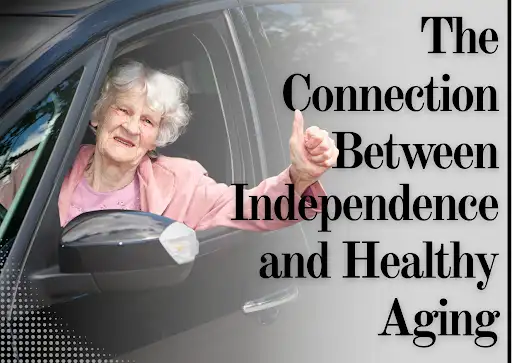
For many years, growing older was often associated with slowing down. Retirement meant stepping back from daily responsibilities, traveling less, and accepting that certain activities would naturally become more limited with age.
Today, that picture is changing.
Adults are living longer, remaining active later in life, and continuing to contribute to their families, communities, and workplaces well beyond what previous generations experienced. Many are volunteering, traveling, pursuing hobbies, caring for grandchildren, and embracing new opportunities well into their seventies and eighties.
That shift is reflected on our roads as well. According to the Insurance Institute for Highway Safety, approximately 35 million Americans age 70 and older were licensed drivers in 2023—an increase of 98% since 1997. In fact, 88% of adults age 70 and older now hold a driver’s license, demonstrating that mobility continues to play an important role in later life.
This isn’t simply a story about driving.
It’s a story about healthy aging.
Rethinking What It Means to Grow Older
For decades, aging was often viewed as a steady path of physical and cognitive decline. While certain changes are a natural part of life, new research suggests that aging is far more dynamic than many people realize.
A 2026 study from Yale University followed more than 11,000 adults age 65 and older over a twelve-year period. Researchers found that nearly 45% of participants actually improved in their physical function, cognitive function, or both during the study. Perhaps even more encouraging, individuals with more positive beliefs about aging were significantly more likely to experience those improvements.
The findings challenge a long-held assumption that growing older automatically means losing independence. Instead, they suggest that many older adults continue to adapt, grow, and thrive well into later life.
Healthy aging isn’t simply about adding years to life.
It’s about adding life to those years.
Why Independence Matters
When people think about independence, they often picture living in their own home or managing daily responsibilities without assistance. While those things certainly matter, independence is also about having the freedom to make choices.
It’s deciding to meet friends for lunch, taking a weekend trip, attending a grandchild’s soccer game, volunteering at church, or even just running errands without having to coordinate transportation. It’s the ability to say “yes” when an opportunity comes along instead of wondering whether getting there will be possible.
These everyday moments may seem ordinary, but together they contribute to confidence, purpose, and overall well-being.
The Connection Between Mobility and Well-Being
One of the most important tools that supports independence is mobility.
Being able to get where you want to go helps people remain connected to family, friends, healthcare, recreation, volunteer opportunities, and community life. When mobility becomes limited, those opportunities can gradually become more difficult to maintain.
Research published in the Journal of Aging and Health highlights just how meaningful that connection can be. Older adults who stopped driving had more than twice the odds of experiencing higher levels of social isolation compared with those who continued driving.
Other research has found that driving cessation is associated with increased depressive symptoms and a decline in community participation. While giving up driving may sometimes be the safest decision, these findings remind us that maintaining mobility—whether through continued safe driving or other transportation options—plays an important role in supporting overall quality of life.
Driving is not the goal.
Remaining connected is.
Supporting Safe Independence
As people age, it’s natural for driving needs to evolve. Vision may change, flexibility may decrease, or a new medication or health condition may affect driving habits. These changes don’t automatically mean it’s time to hand over the keys. In many cases, they simply mean it’s time to take a fresh look at driving and make informed decisions about staying safe behind the wheel.
Many older adults continue driving confidently by making thoughtful adjustments, such as limiting nighttime driving, avoiding heavy traffic, or choosing familiar routes. Others simply want reassurance that they’re continuing to drive safely.
That’s where a Senior Driver Safety Review can help.
Unlike a comprehensive medical driving evaluation, a Senior Driver Safety Review is designed for older adults who are experiencing the natural changes that come with aging and want an objective look at their driving abilities. It provides an opportunity to receive professional feedback, discuss concerns, and learn practical strategies that can support continued safe driving.
Rather than relying on assumptions about age, the focus is on the individual—their abilities, their goals, and helping them remain safely engaged in the activities that matter most.
Aging Well Means Staying Engaged
Healthy aging isn’t measured only by annual checkups or fitness routines. It’s reflected in the ability to stay connected—to continue visiting family, attending community events, volunteering, traveling, enjoying hobbies, and participating in the everyday moments that bring purpose to life.
Maintaining safe mobility helps make those experiences possible.
As research continues to reshape our understanding of aging, one message is becoming increasingly clear: growing older doesn’t have to mean giving up independence. With the right support, thoughtful planning, and a proactive approach to safety, many older adults can continue living active, fulfilling, and engaged lives for years to come.
At Driving to Independence, we believe the goal isn’t simply to help people drive longer—it’s to help them drive safely, confidently, and with the peace of mind that comes from knowing they’re making informed decisions. Whether you’re looking for reassurance about your own driving or seeking guidance for a loved one, our team is here to help you explore the options that best support safe, confident, and independent mobility.